PETA Provides Shocking Glimpse at Animal Suffering at UMass Chan Laboratories
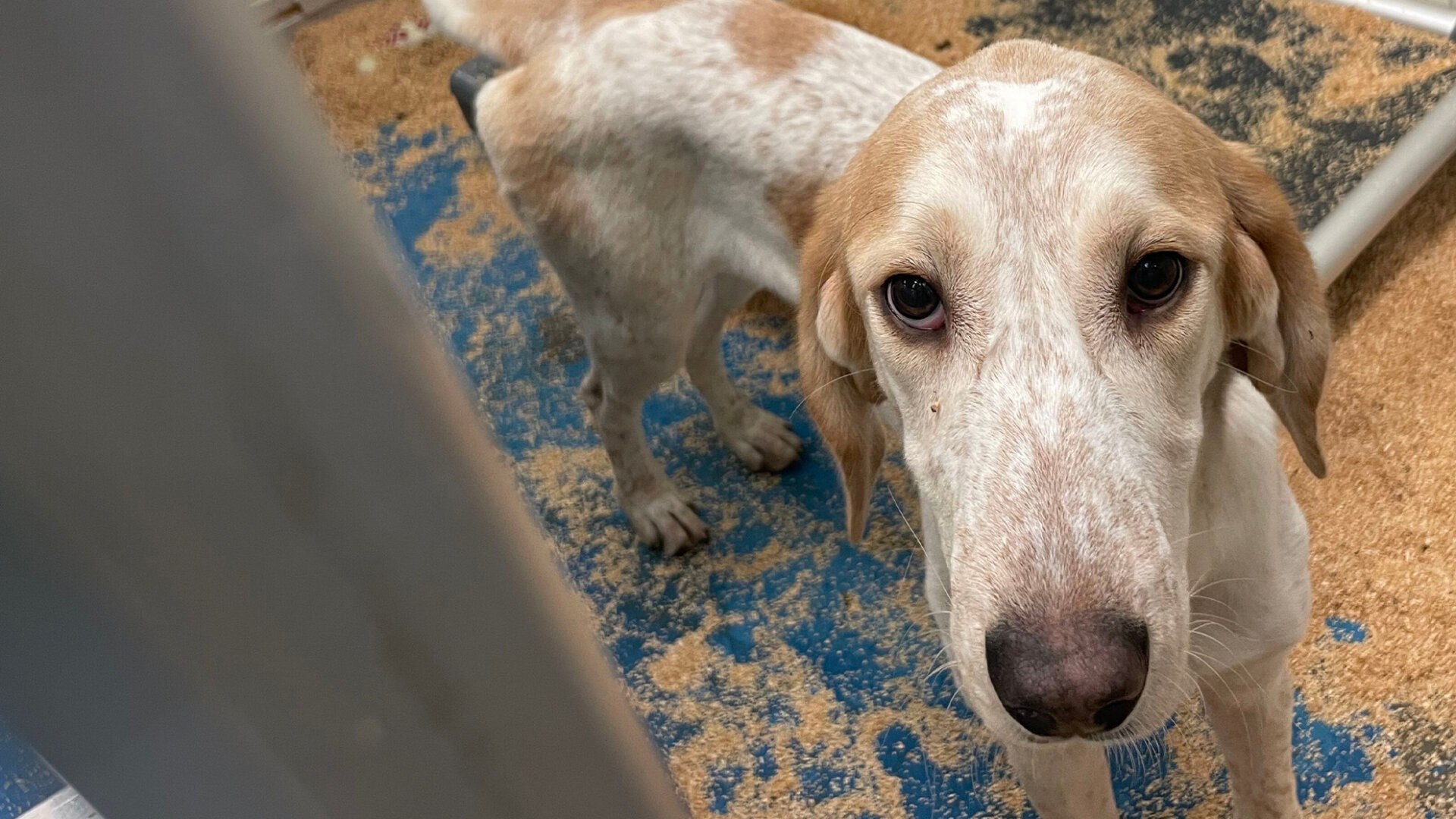
Update (April 7, 2026): After PETA alerted the Massachusetts Department of Public Health to horrific conditions in the University of Massachusetts Chan Medical School dog laboratory, a whistleblower reports that the university killed all the dogs before state inspectors arrived—an apparent attempt to eliminate the evidence that could have led to the confirmation of violations. PETA had requested the investigation after releasing photos and evidence that the dogs were intentionally starved, reportedly to keep them in smaller cages.
We’ve also learned that one of UMass Chan’s veterinarians has reportedly resigned, leaving just two veterinarians for tens of thousands of animals at the university. We’ve filed a complaint with the Massachusetts veterinary licensing board, calling for an investigation and possible disciplinary action against the two remaining veterinarians who allegedly failed to comply with federal and state laws and the Massachusetts veterinary code of conduct, shunning their responsibility to protect animals from the wholesale misery PETA exposed there.
The U.S. Department of Agriculture cited the school for violations of the Animal Welfare Act after we filed a complaint with the agency. Among the violations, federal inspectors determined that the university’s animal care committee—led by experimenter Matt Gounis—failed to carry out its legal duty to adequately review and oversee Gounis’ protocol, allowing him to cut into dogs’ necks in multiple invasive procedures without a plan to treat foreseeable and painful complications. Inspectors also found repeat violations for careless handling of animals, including a dog who ingested a catheter left behind after surgery and rabbits given too much anesthesia.
According to the whistleblower, UMass Chan recently acquired four more dogs for its invasive and deadly experiments. Take action below to help stop this cruelty.
Inducing heart attacks in baby pigs, depriving ferrets of oxygen, and re-routing veins of emaciated dogs. An insider provided PETA with a shocking look at some UMass laboratories.
Animals suffered with open wounds, endured painful, dead tissue that turned black, and developed untreated pockets of fluid that festered inside their bodies. A ferret died slowly, languishing for days, unable to eat. A dog who swallowed a misplaced catheter was forced to digest the instrument while staff did nothing to help. Other dogs were kept emaciated so they’d fit into small kennels.
These are just a few of the allegations of neglect and abuse in the laboratories of the University of Massachusetts Chan Medical School (UMass Chan) made by a confidential whistleblower.
This suffering is on top of the work-a-day cruelty animals endure in the school’s experiments, which include inducing heart attacks in baby pigs, depriving ferrets of oxygen, and creating fake aneurysms by re-routing dogs’ blood vessels.
The problems run deep. For more than a year—between March 2024 and August 2025—the school employed only two veterinarians for tens of thousands of animals. Seven veterinary technicians were there during that time, but only three had any formal training or credentials. The school’s animal care committee—the last line of defense for animals in laboratories—is apparently sleeping on the job, failing to protect animals from severe pain and distress, violating federal regulations.
A Pockmarked History
The U.S. Department of Agriculture has documented UMass Chan’s allergy to following the rules. In August 2025, the agency slapped it with an Official Warning, a rare move reserved for the most egregious violations. PETA also condemned the school in 2021, when three hamsters died due to staff neglect, and in 2022, when the school apparently harbored illegally trafficked, endangered monkeys.
What’s Happening at UMass Chan?
The informant supplied PETA with the details below about the activities in four UMass Chan laboratories, along with photos documenting the cruelty and abuse of the imprisoned animals.
Experimenter Matthew Gounis: Fake Aneurysms and Starvation
Experimenters in this laboratory are in the business of inducing strokes in animals. In some experiments, they slice open the necks of dogs, reroute an artery, and sew in a piece of vein to create artificial “aneurysms.” They also thread devices through a leg artery, and the animals undergo repeated procedures and invasive imaging, leading to injuries, pain, and a prolonged cycle of surgeries.
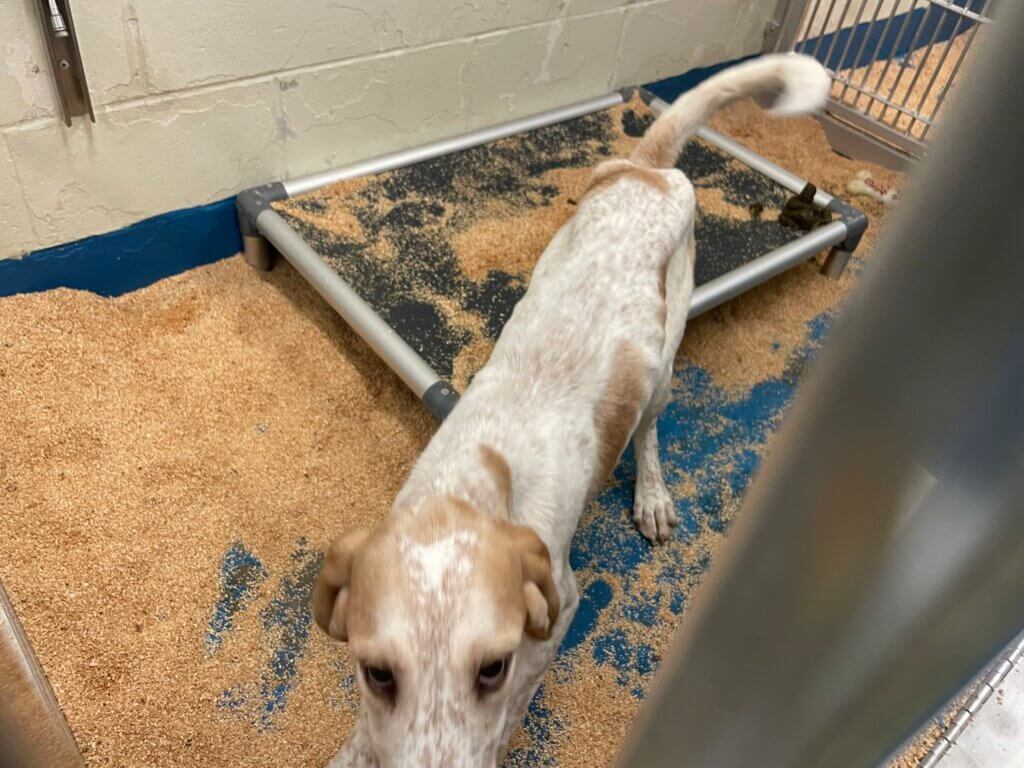
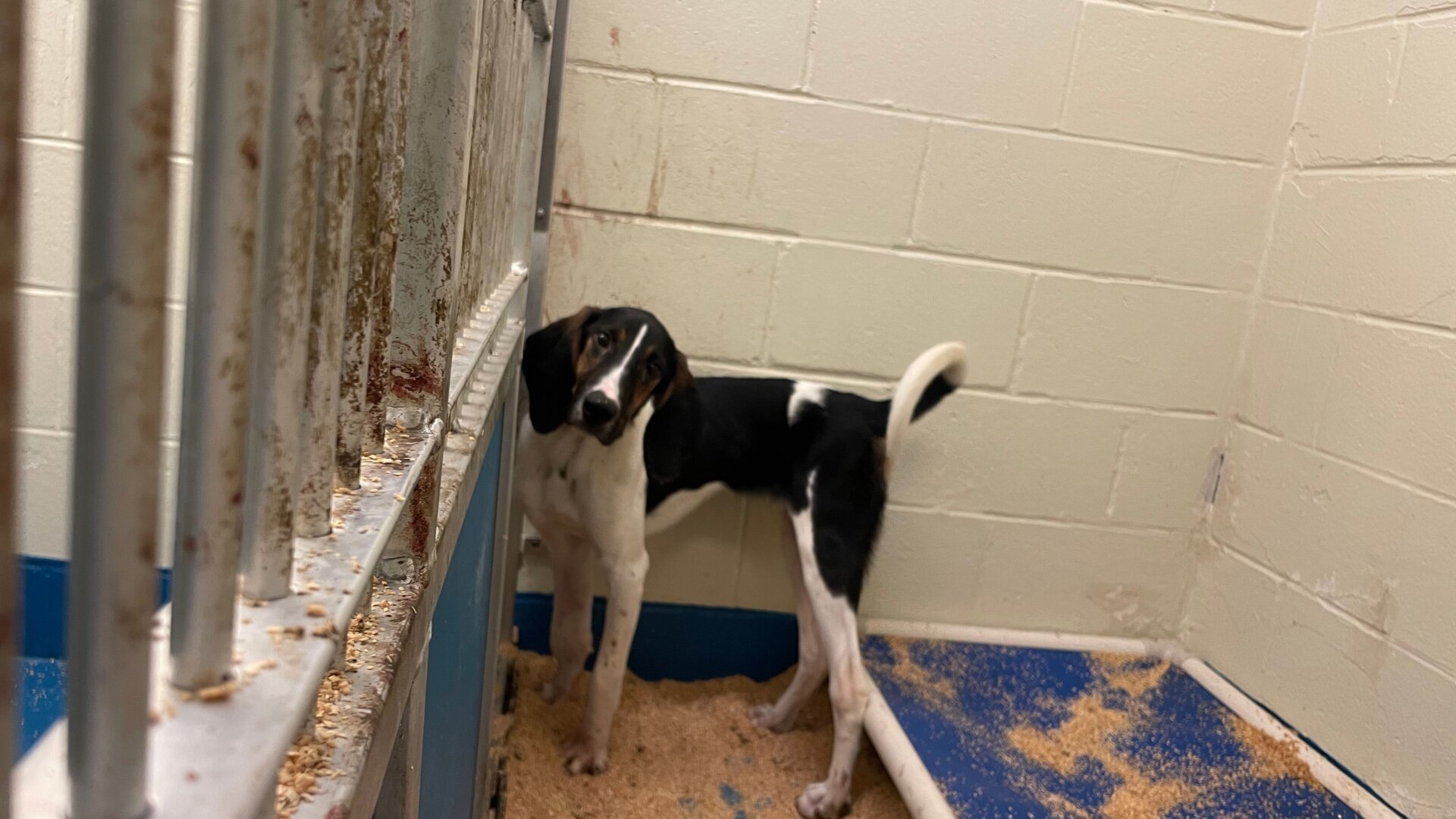
Federal regulations say UMass Chan kennels can hold dogs no larger than 41 pounds. Instead of building bigger kennels, experimenters in this lab keep dogs in a chronic state of hunger to keep their weight down. As a result, many of the dogs in this lab have visible ribs and hip bones. Understandably, some have developed food aggression and must be caged alone.
Experimenters subjected a shy but friendly hound dog, identified as F474, to invasive procedures soon after she arrived. At one point, she swallowed a misplaced catheter, but staff did nothing to help her. Days later, they fished the catheter from the dog’s feces. The dog endured repeated sedations, surgeries, and a cascade of complications, including bruising, swelling, fluid-filled, and oozing wounds at the incision site on her leg. Swelling, abrasions, inflammation, bleeding nail beds, and open wounds developed on her front paw. Her weight plummeted from 36 to 29 pounds in just one month.
This young hound, identified as F484, was initially described as friendly and playful. Experimenters cut into her artery to implant a device, leaving her with bruising and swelling. She was sedated numerous times for various tests. She bore injuries from fighting with cage mates, including lost teeth. She suffered bruises, cuts, and fluid-filled sacs at surgical sites. She lost more than three pounds in two months. Staff said she looked “pretty skinny.” Emaciated, she developed diarrhea and was treated with a bacterial drug, but experimenters continued to torment her in tests.
A hound identified as F442 developed a baseball-sized sack of fluid at the site of a surgical incision on her leg. The swelling was first noticed on September 2, but records show no treatment was provided. Three weeks later, the lump hardened, indicating the persistence and progression of the condition, while staff continued to do nothing.
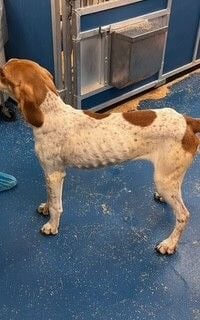
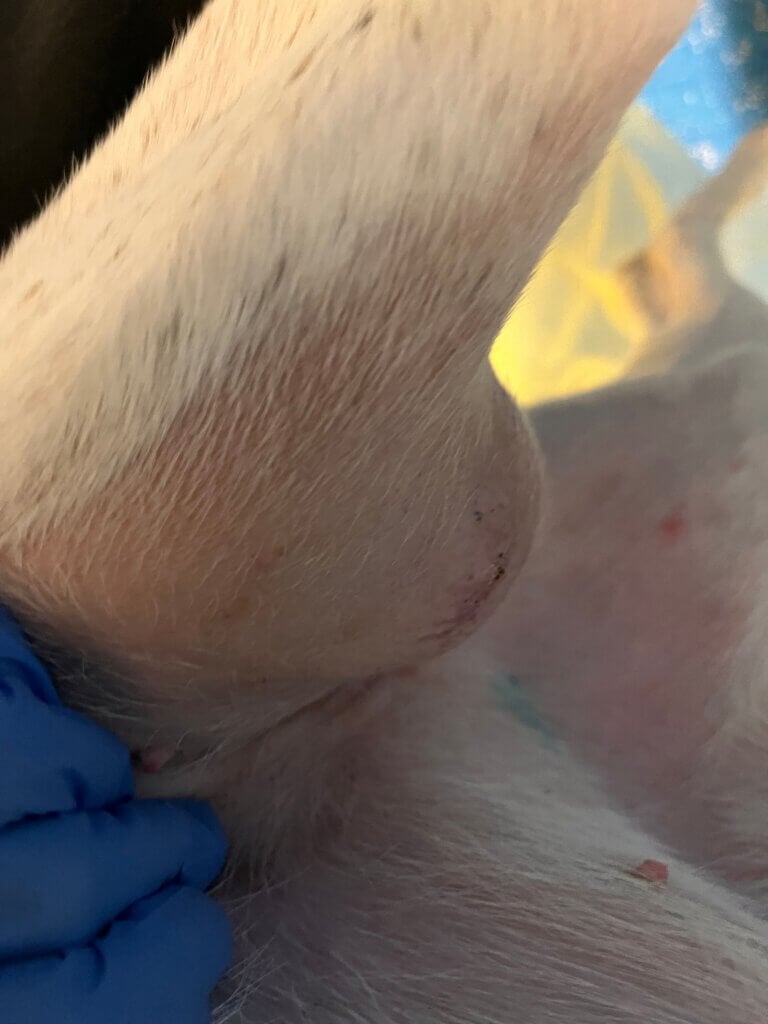
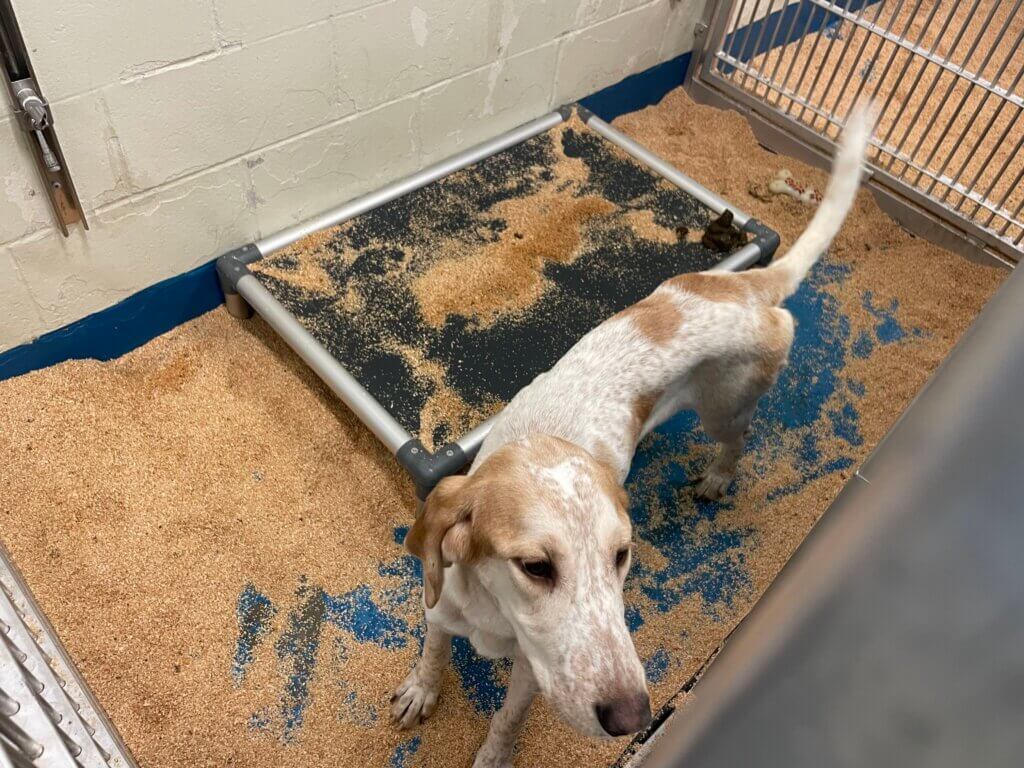
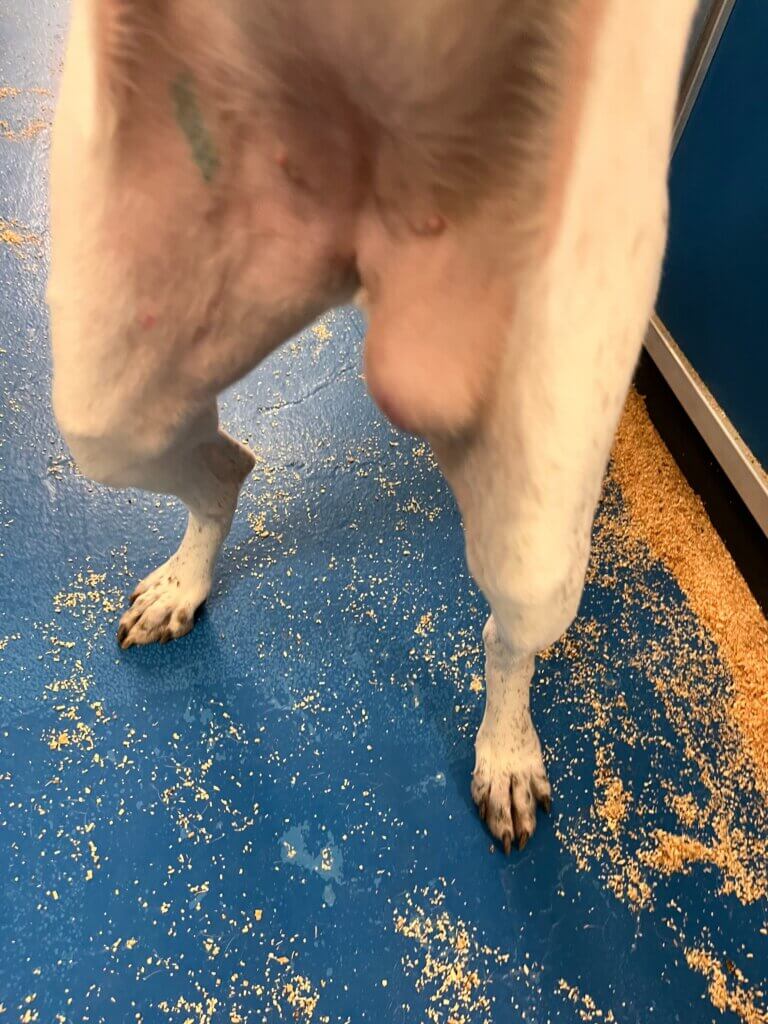
A hound identified as F480 had two surgeries in June 2025. After the second operation, staff noticed small lumps in her groin. Three days later, an employee reported that surgically closed wounds on her groin had reopened, and some of the tissue was dead. The dog had another surgery. Experimenters gave her a collar to prevent her from aggravating the wound. Several days later, the e-collar was off, and the fabric tie was lost, raising concern that the dog ate the tie. The next day, the dog vomited up about 16 inches of that fabric.
Read more examples
Shuying Liu: Tormenting Mice, Rats, and Rabbits
Liu’s laboratory injects rabbits, mice, and rats with RNA or DNA vaccines every few weeks. They are kept alive for up to a year before they’re killed to study the immune system’s response to the vaccines.
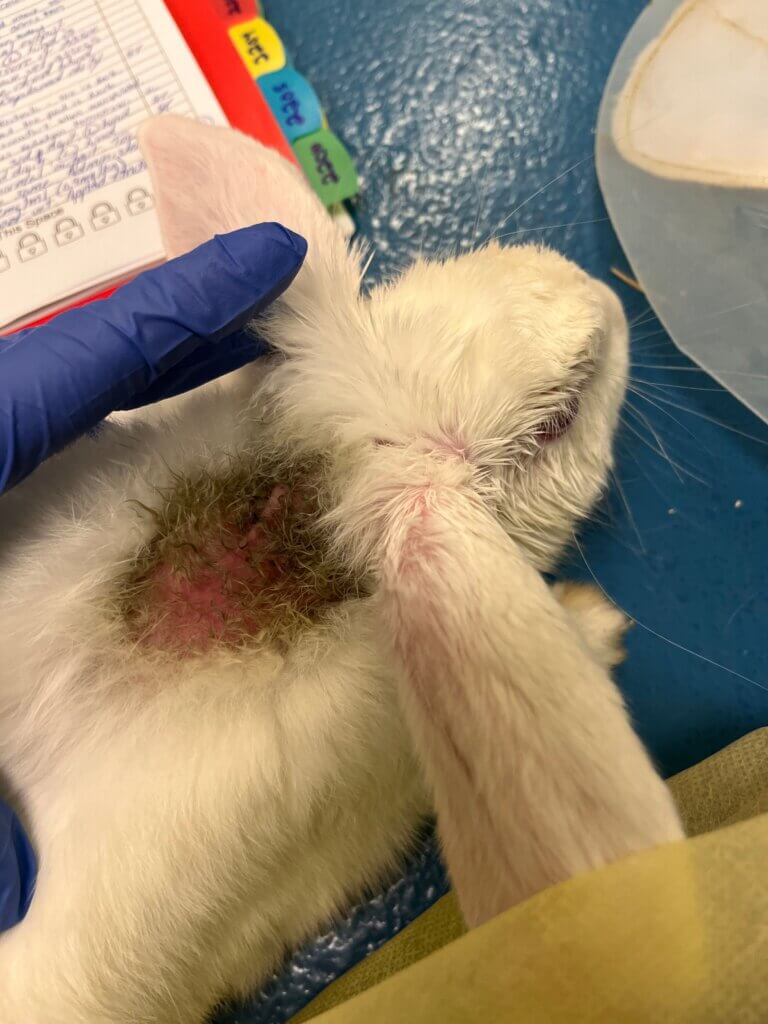
Rabbit #2202 was repeatedly injected with vaccines and subjected to blood draws. Within weeks, she sustained a severe injury to her hind foot, exposing the muscle. The cause was unknown, possibly from fighting or becoming caught in the cage. There was not enough tissue left to stitch up. Staff gave her a collar to prevent her from biting her wound. But that created a large open wound across her neck. Her toe worsened and turned black. Amputation followed. A month later, the rabbit was killed.
Alisha Gruntman: Depriving Ferrets of Oxygen
Gruntman uses ferrets in respiratory experiments that cause considerable pain and distress. The animals are injected with a virus and endure blood draws from the jugular vein for six months. Experimenters snake a scope down the animals’ throats and into the lungs to collect cells. Ferrets may endure this up to 15 times before they’re killed. Some ferrets are caged alone in a Plexiglas box and forced to inhale elevated carbon dioxide or reduced oxygen levels for several minutes.
A ferret identified as #700561 was sedated for a blood draw from her jugular vein. The next day, she was uninterested in food. Staff noticed a substantial section of the hammock in her cage was missing and suggested an X-ray to see if she swallowed it. The veterinarian dismissed it, and the ferret’s condition worsened. In the next few days, staff noted persistent vomiting, dehydration, and lack of appetite. Some of the vomit contained cotton, suggesting the animal ate the bedding. Two days later, the ferret appeared depressed, had a dangerously slow temperature, bloating, and had not defecated.
Finally, X-rays showed a large foreign obstruction. Euthanasia was approved, but the procedure was botched. The catheter to deliver the solution was too narrow, forcing staff to give the drug in three separate doses over six minutes. It took eight minutes for the animal to die. Necropsy confirmed a half-inch piece of bedding obstructed her digestive system. This ferret suffered terribly for several days, reflecting poor cage practices and a woefully inadequate veterinary response.
J. Kevin Donahue: Inducing Heart Attacks in Infant Pigs
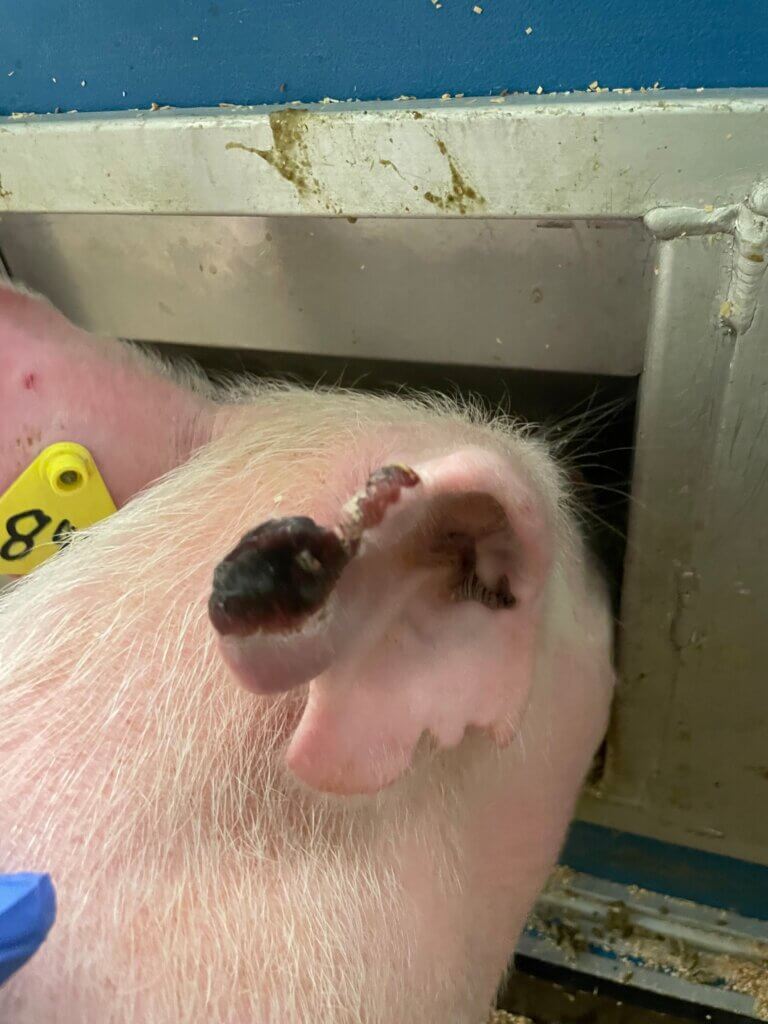
Donahue’s laboratory induces heart attacks in 3- to 6-month-old pigs and rabbits, blocking an artery for 2.5 hours and implanting a device in the animal’s neck to create abnormal heart rhythms. Heart attacks increase the risk of injuries to the ears and extremities because of impaired blood flow. This is painful and can lead to the death of the tissue. However, there are measures that can reduce this risk. The Donahue laboratory took none of them.
Experimenters induced a heart attack in a pig identified as #822 and, as a result of impaired blood flow, he sustained an ear injury, involving inflammation, swelling, and nerve irritation. Other pigs suffered similar injuries to their ears, tails, and feet, leading to blue-black discoloration and the death of those tissues.
What Can You Do?
The whistleblower allegations are serious and wide-ranging, indicating debilitating and systemic problems in the laboratories of UMass Chan, problems that have an animal body count. We’ve urged federal and state officials to act.
Please TAKE ACTION today and urge UMass to get out of the cruel and pointless animal tormenting business altogether and switch to human-relevant, non-animal research methods. After you take action, you’ll see an easy way to share this information. Please ask five friends or relatives to support this campaign!