Quick Ways to Help Horses
Do you care about horses? Would you do anything to protect them? Then this is the page for you!
Right now, these majestic animals are pushed to their physical limits and made to run at breakneck speed in races, they’re forced to pull heavy carriages full of passengers through busy street traffic in extreme weather conditions, and thousands are even shipped to foreign countries to be slaughtered for food for dogs and humans every year. From this page, you’ll be able to complete multiple PETA action alerts that help horses.
Get started now:
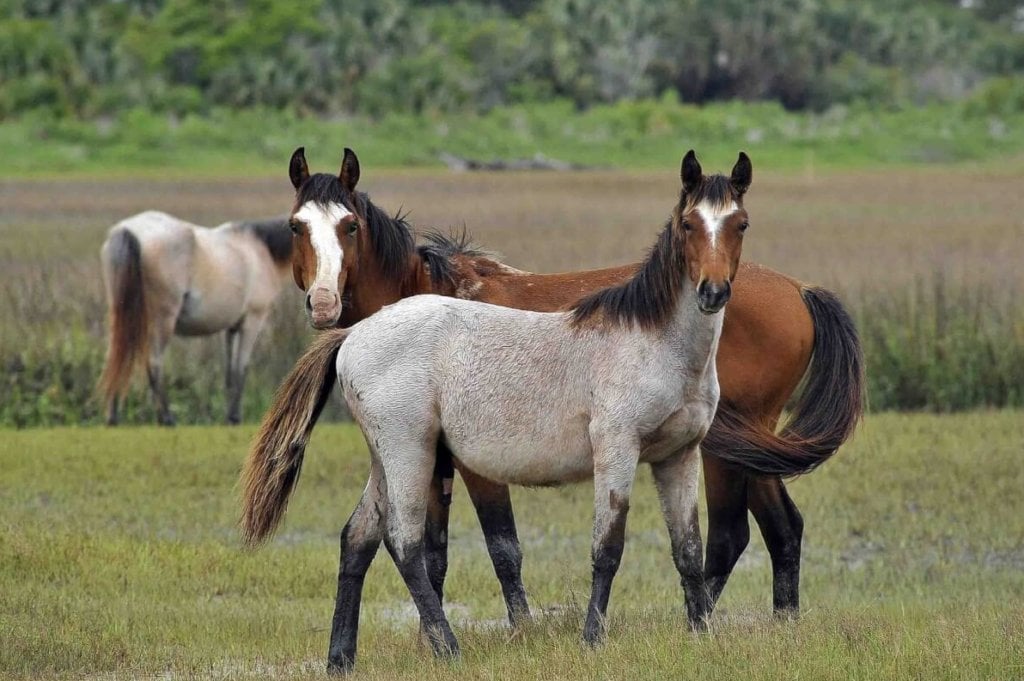
How Horses Suffer
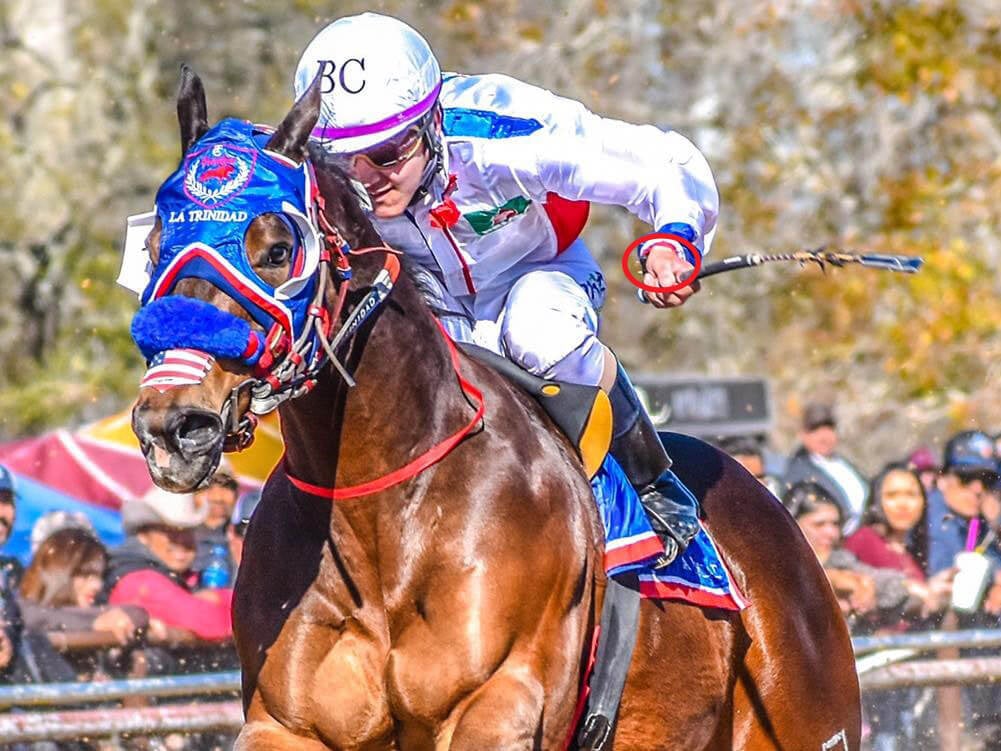
Horses used for racing are forced to sprint—under the threat of whips—at speeds so fast that they frequently sustain injuries and even hemorrhage from the lungs. Humans push them beyond their limits, often subjecting them to cocktails of legal and illegal drugs intended to mask injuries and artificially enhance performance.
Every week, on average, 24 horses suffer fatal breakdowns at racetracks across the country, and this number doesn’t even take into account the ones who are discarded by the racing industry when they’re no longer considered profitable. Thousands of “unprofitable” or simply unwanted Thoroughbreds from the U.S. are trucked or shipped to other countries like Canada and Mexico and killed every year. Even horse racing “stars” can end up in a slaughterhouse. Kentucky Derby winner Ferdinand was sold to a Japanese breeder, and a few years later, when they were done with him, he was sold to slaughter. When PETA investigated the largest horse slaughterhouse in South Korea, they identified 23 Thoroughbred racehorses at the facility. Our eyewitnesses saw workers beating terrified horses with pipes to force them off trucks and through the doorway to their deaths. The animals huddled together in panic as men struck them repeatedly, including in the face.
One American Thoroughbred got a second chance: My Elusive Dream, who we rescued at the eleventh hour from slaughter in South Korea and flew back to the U.S. aboard “Mare Force One.” More than 200 pounds underweight and bearing signs of a prior head injury, she arrived in fragile condition. Today, she’s recovering on a lush central Florida farm owned by The Stronach Group—safe, cared for, and running only when she chooses.
But the tens of thousands of foals bred each year for the greedy racing industry aren’t so lucky—for most of them, the end of the race is a death sentence.
Beyond sanctioned tracks lies an even deadlier industry: underground horse racing. In the illegal world of unregulated “bush track” horse racing, spectators wager hundreds of thousands of dollars—and trainers and jockeys will do anything to “win,” including doping horses with drugs like cocaine and methamphetamine, using electric shock devices, and whipping them relentlessly.

Making horses pull carriages is cruel. Drivers push them to give rides in all weather extremes, through noisy, crowded streets. They may develop respiratory ailments from breathing exhaust fumes, and they can suffer from debilitating leg problems from pounding the pavement all day long. Animals and humans have been seriously hurt—and even killed—when horses have become startled and run loose. And there have been countless incidents in which carriages have been hit by impatient or careless drivers. Accidents have occurred in nearly every city where horse-drawn carriage rides are allowed.
And the abuse extends far beyond U.S. city streets. At Egypt’s top tourist sites, handlers force horses to haul visitors in the blistering heat without adequate food, water, or shade. They mercilessly whip the animals into giving endless rides, even as their knees buckle and they collapse from exhaustion. PETA Asia’s investigators saw horses in Giza with open sores and untreated injuries left to scavenge in garbage dumps to survive.
Horses used in the carriage, racing, and tourism industries are afforded no protection under the federal Animal Welfare Act, so the responsibility of looking out for their welfare falls to local animal control officials and compassionate people like you. Current anti-cruelty laws provide horses with few safeguards, and many animal-welfare agencies just don’t have the resources or time to monitor horse-drawn carriages on a regular basis. Animals can easily be worked to their breaking points when profit-driven operators fail to follow regulations. That’s why we must always speak up for animals in need. You’ve come to the perfect place to get started.
If you want to be an all-star for animals, there are tons of ways to get more involved. Follow PETA on Facebook, TikTok, X, Instagram, and YouTube to stay up to date on our latest campaigns; subscribe to PETA News to get weekly updates on our efforts; and be sure to complete the PETA action alerts below with the quick click of a button.

—Take Action for Horses—
There are multiple opportunities to help. As soon as you take one action below, another will automatically appear in its place.
Just enter your information once. Then, keep clicking the “Send Message” button until you’ve completed every action. Once you’ve finished, be sure to share this page with your friends, family members, and social media followers. Encourage them to join you in helping stop the abuse of horses.