
Our Work in Jordan
January 30, 2026

Amidst Petra’s ancient stone walls, animals are paying the price for tourism, and a small, determined veterinary team funded by PETA is standing between them and more suffering.
In 2025 alone, the PETA-backed Petra Veterinary Clinic provided free, often lifesaving care to 8,761 animals—including donkeys and camels forced to labor in the tourism trade, as well as cats and dogs struggling to survive in the harsh desert.
They Carry Petra on Their Backs, and PETA-Backed Vets Are There to Help
As tourism waxes and wanes in the ancient city,depending on political reality and weather, more than 1,300 horses, donkeys, and camels are forced to carry visitors every day.
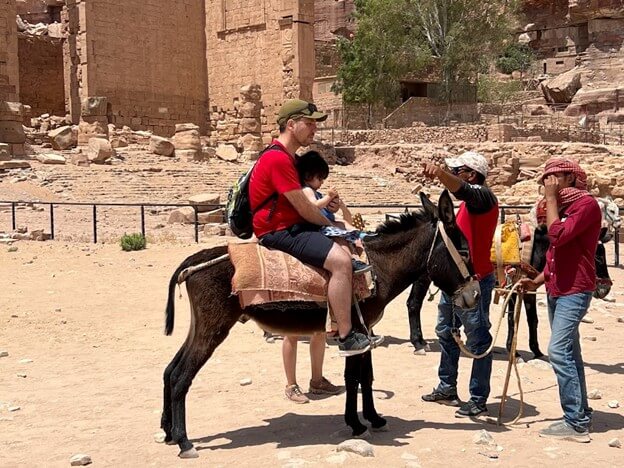
Owners, including young children, often treat the animals like objects rather than living beings. They sit on them as if they are furniture, and our vets see animals with hurt eyes, gouges in their flanks, and even head injuries from being stabbed, hit, or having rocks thrown at them. Water is often scarce, and many go without a drink all day. During the winter, these animals haul people over long distances in bitterly cold, wet conditions, despite exhaustion, illness, or injury.
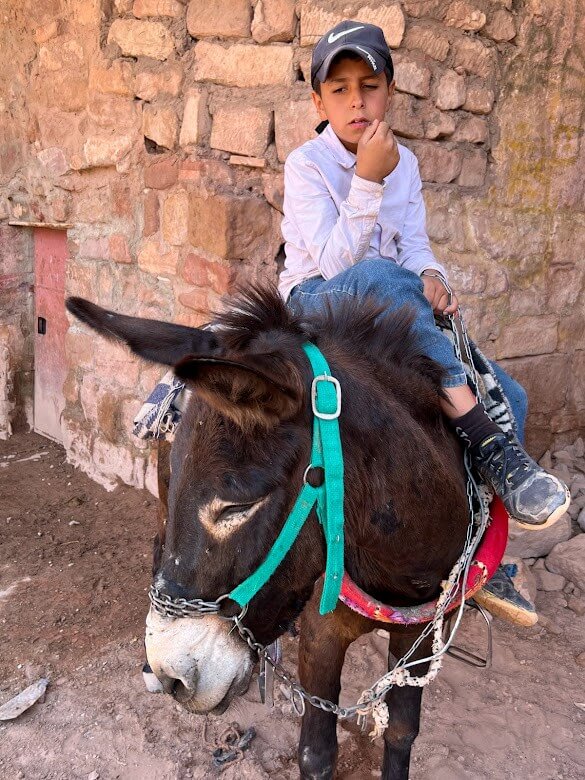
For working animals in the region, the Petra Veterinary Clinic is the only source of medical care.
Petra’s terrain—narrow gorges, jagged rocks, and endless sand—was no barrier for the PETA-backed veterinary team members. The clinic relies on two ambulances, which can be difficult to keep running in these conditions. When vehicles can’t reach an animal, the team continues on foot or by motorbike, carrying medical supplies to wherever their help is needed.
Keeping those ambulances operational is a challenge, but without them, countless animals would be unreachable.
Emergency Care That Saves Lives
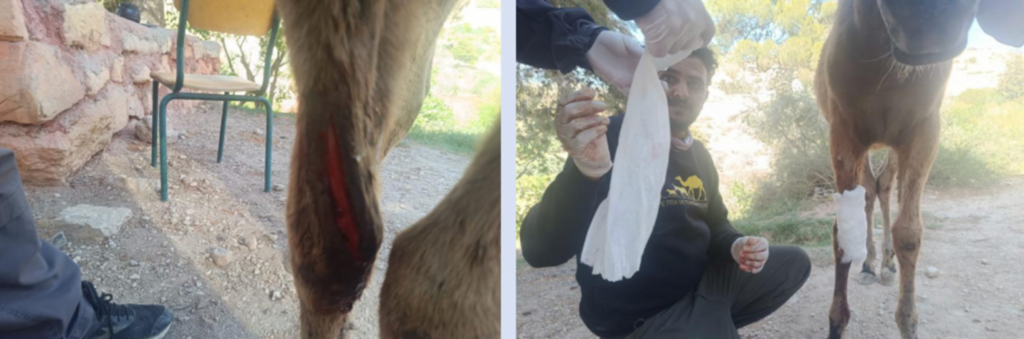
Many animals in Petra’s tourism industry suffer from painful hoof problems, including hoof avulsion—where the hoof separates from the leg entirely. The demanding work conditions, lack of preventive and responsive hoof care, and traumatic accidents, including falling from high places and rocky ledges or being hit by cars, cause severe, debilitating damage.
Sores from ill-fitting gear that chafe and gouge, and hours spent carrying heavy loads, including overweight tourists, are also a constant problem for the animals. The team treats all these ailments, as well as gaping cuts caused by handlers whipping them or hurting them in other ways.
Colic is one of the most painful and deadly emergencies the animals face. Donkeys and horses scavenge to survive, swallowing plastic bags, sand, and rotting scraps. Some are given grain but no water, leaving food to swell inside a dehydrated digestive system—causing extreme pain, bloating, and often death.
Many handlers wait to call for veterinary help until the animal’s suffering is impossible to ignore, making nearly every case an emergency. In one of many “typical” emergent cases, the clinic responded to a 2 a.m. call about a horse rolling on the ground in agony. He had developed severe colic after eating garbage. The PETA-backed vets drained the horse’s stomach, then administered lifesaving IV fluids, painkillers, and antibiotics.
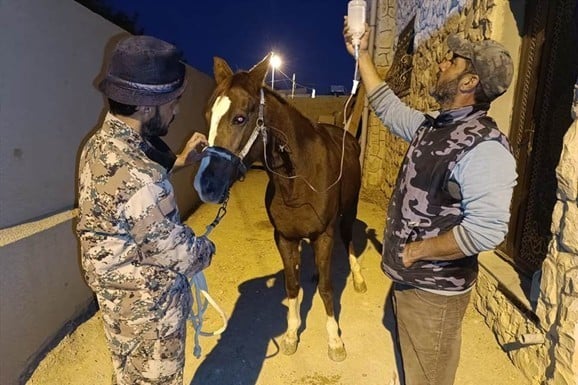
Thanks to that rapid response, the horse survived, which is something that would have been impossible without the round-the-clock care the PETA-backed team provides.
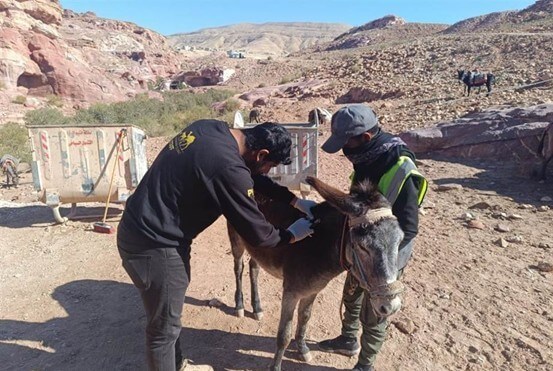
Another call about a donkey with painful, open, raw sores on his back had the Petra Veterinary Clinic race to provide urgent care. The PETA-supported veterinary team cleaned the donkey’s festering wounds, applied medication, and emphasized to the owner that the donkey must be kept saddle-free until he recovered.
Inspiring Compassion in the Next Generation
Recognizing that today’s children will likely become tomorrow’s animal handlers in the tourism industry, the Petra Veterinary Clinic is working to improve what that future looks like.
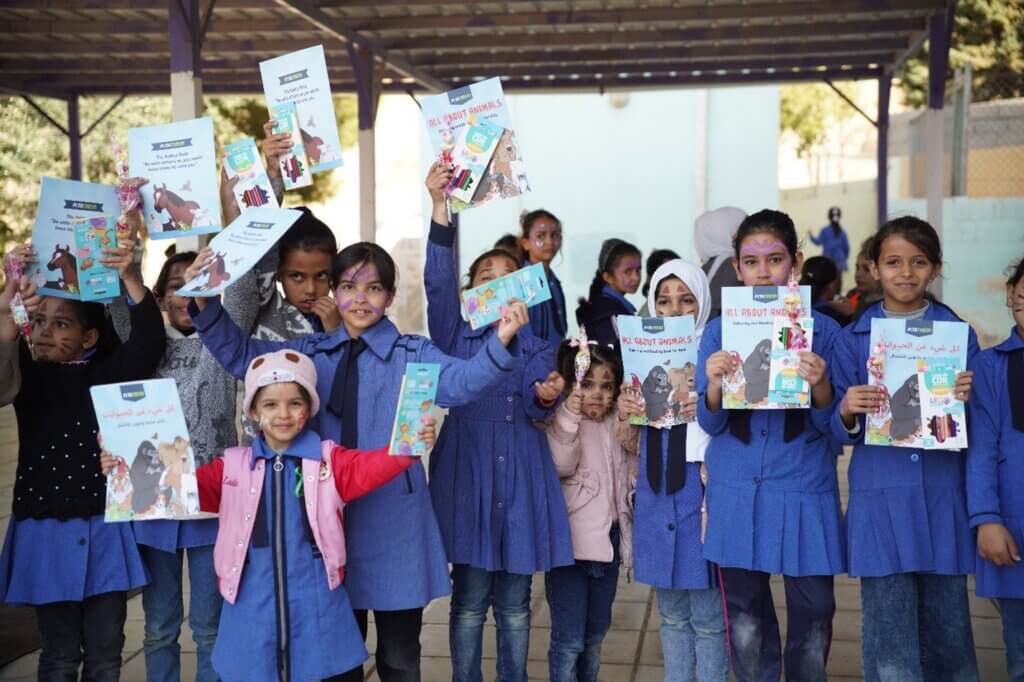
The team visits schools, including a Petra all-boys military school and a special class for young handlers, to teach children how to properly care for animals and recognize early signs of health problems so animals can receive help before it’s too late.
In one session, Drs. Yazan and Mohammad, and veterinary assistant Mr. Salameh, explained the equine digestive system in clear, simple terms and taught the common causes of colic, such as poor feeding routines, a sudden change of diet, and a failure to give water to the animals. Because early signs of colic often go unnoticed, attendees learned to recognize the very first symptoms, such as pawing at the ground, kicking at their stomach, and lying down. By helping handlers recognize pain early, the young people at the lecture can help their parents take action faster, ultimately sparing the animals great pain, and even saving their lives.
Hands-on exercises are designed to teach and build empathy. In one lesson, the instructors ask students to place a stone in their shoe and hop on one leg to get a small picture of the discomfort a mule or donkey with leg injuries feels. The veterinarians also asked the children to cover one eye to get an idea of the harm caused when stones are thrown at animals’ faces.
These experiences help children understand that animals feel pain, fear, and relief just as they do, and that kindness leads to better outcomes for everyone.
Helping Cats and Dogs Survive
It’s not just our donkey, horse, and camel friends! Cats and dogs in Petra face constant risks, including injury, disease, and starvation. The Petra Veterinary Clinic offers medicine to treat parasites and prevent heartworm, which helps stop small problems from becoming fatal ones.
The vets also provide flea and tick treatment, and while the clinic does not operate a full-scale spay-and-neuter program, the team also performs sterilizations when resources and emergency demands allow. Every surgery helps reduce future suffering.
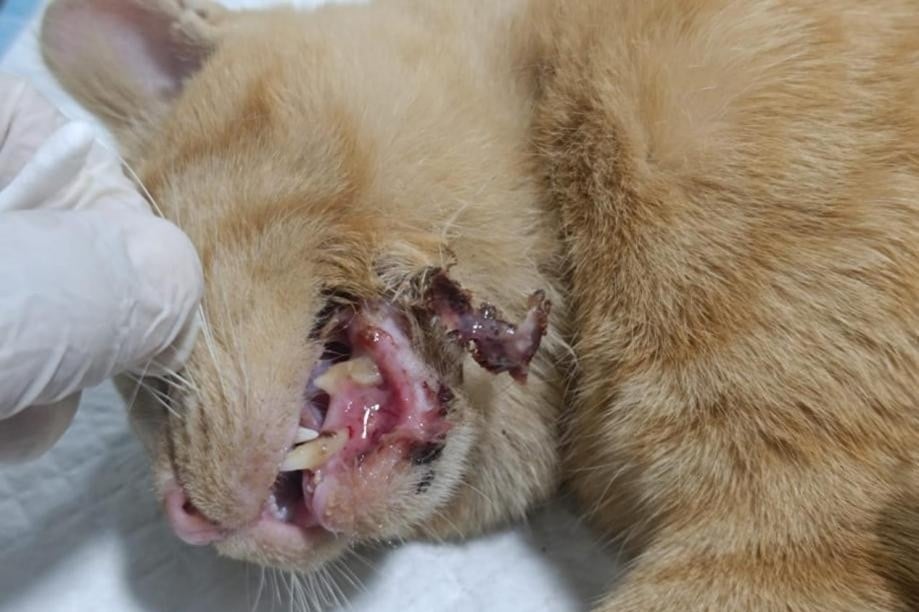
Petra’s cats are particularly at risk from calicivirus, a highly contagious illness that spreads quickly in areas with large homeless cat populations. The virus can cause severe respiratory problems, painful mouth sores, and tooth loss, often leaving cats unable to eat. When a tourist brought a young cat to the Petra Veterinary Clinic with these symptoms, the veterinarian helped by removing her bad teeth, thoroughly cleaning her mouth, and gently treating her sore gums with antibiotics and a healing ointment.
You Make This Possible
None of this work happens without support.
Because of PETA’s Global Compassion Fund, animals in Petra receive emergency care, disease treatment, and hope—often in conditions where help would otherwise never arrive. If you already support this work, thank you. You are saving lives in some of the hardest-to-reach places on Earth.
If you’re able to give today, your donation will help keep ambulances running, medicines stocked, and veterinarians on call, day and night.