
Ukraine Updates
May 12, 2026
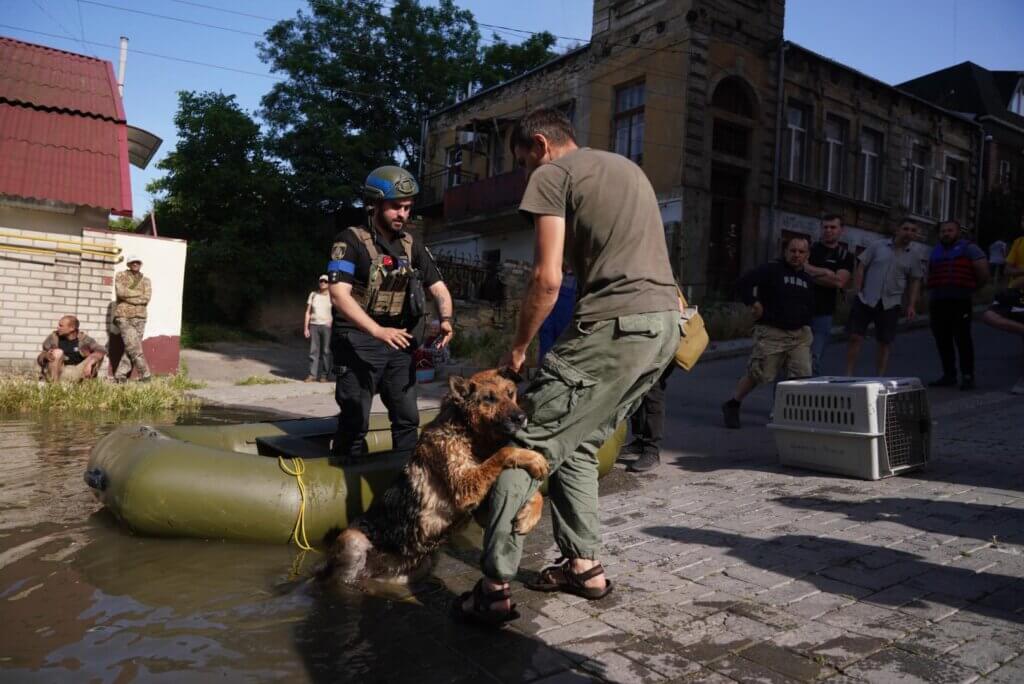
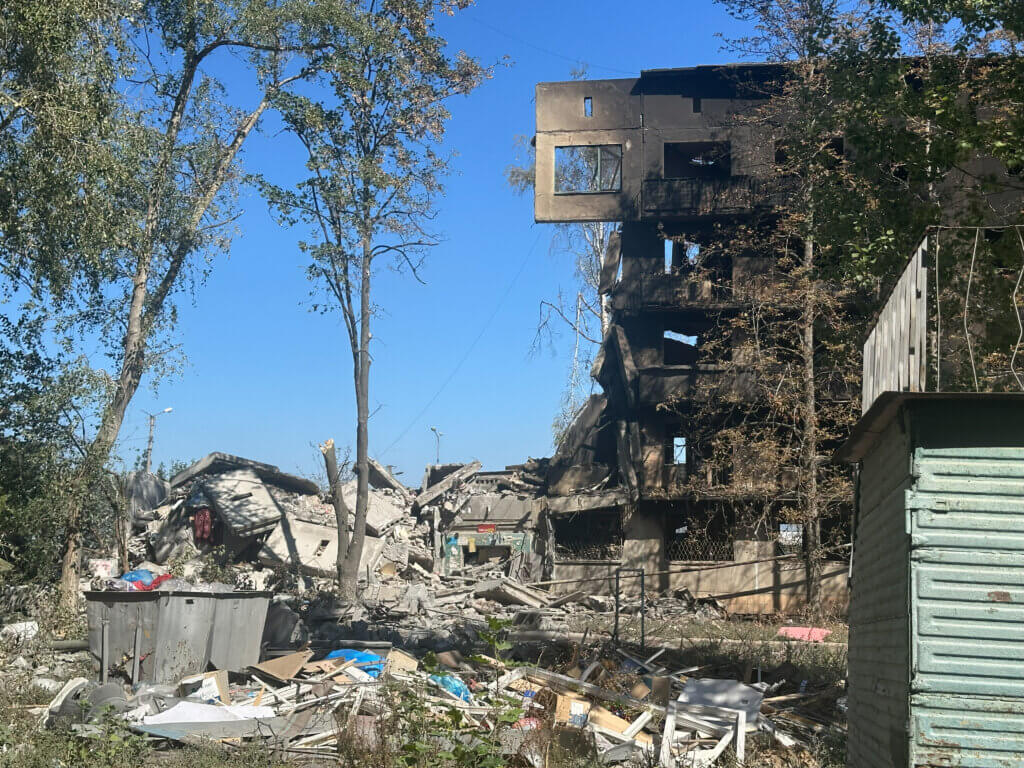
For animals left behind, the violence in Ukraine is terrifying. Explosions shatter the quiet of once-familiar neighborhoods, buildings collapse, and the streets they once roamed are suddenly filled with smoke and debris.

Simone Eisenbeiss never wanted to chase danger. But at just 23 years old, the longtime PETA Germany member and dedicated vegan animal advocate had already seen that sometimes doing what was right pushed her out of her comfort zone. She had faced fear before with calm and discipline, fighting alongside Captain Paul Watson and Sea Shepherd to defend marine animals from harm. And when she saw the pictures of one of the Ukraine war’s least visible tragedies—the animals left behind when families were forced to flee with only what they could carry—she knew she couldn’t sit idly by.
Two years ago, Simone joined the PETA-supported Animal Rescue Kharkiv teams, risking their lives to reach animals trapped along the 800-mile battlefield frontline. Cats hiding in the rubble of their demolished homes. Cows sprayed with shrapnel. Pigs at risk of starvation. Dogs who had grown too big for their now-embedded collars. After specialized training, she was completing missions that require skill, composure, and readiness—because in a war zone, anything less puts everyone at risk, including the animals you’re trying to save. Recently, Simone spoke with PETA Germany about the daily challenges the rescuers face, one of her most unforgettable missions, and the difficult—and beautiful—realities of this work.
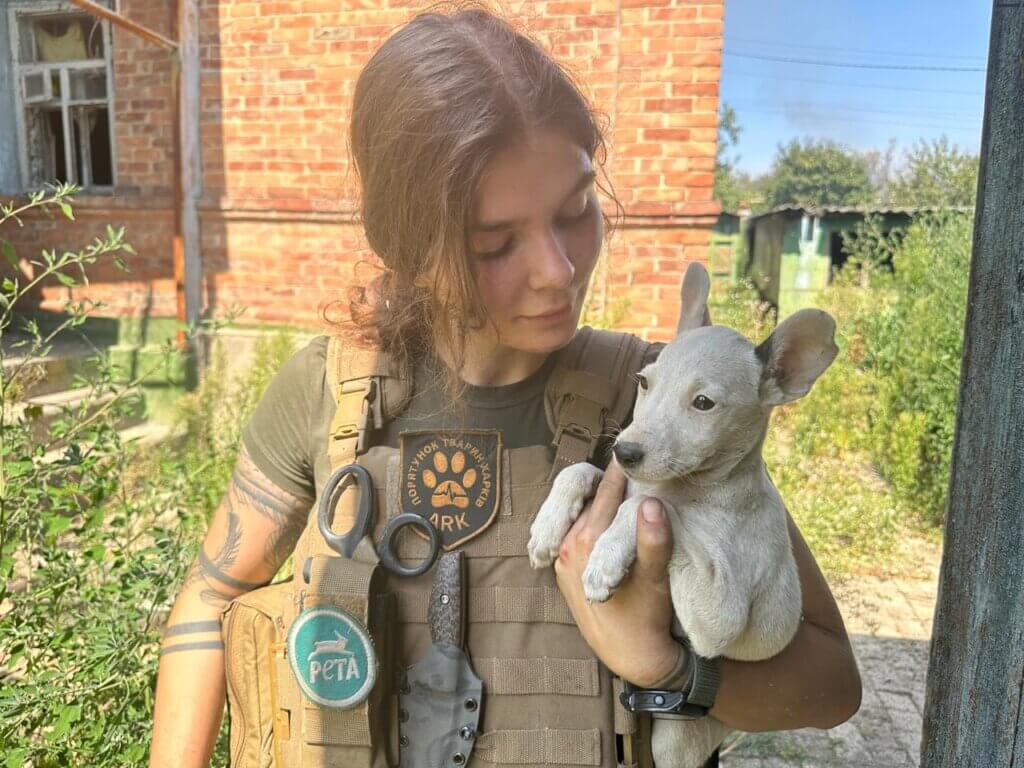
How does the situation feel right now? How do the rescue missions compare with those of a year ago?
Simone: Evacuations have changed extremely compared with a year ago. It comes down to how the war is being fought and how we can be safest. Every week, we see how technology in warfare continues to evolve, and that’s a huge challenge for us. We have to deal with that momentum and develop tactics to carry out evacuations as effectively and safely as possible.
A year ago, there weren’t as many drones as there are now. When we rescued animals in Toretsk, for example, there were, of course, lots of drones—the danger was always very high. But now, as soon as you’re not even 40 kilometers from the front line, the drone threat is already extremely high. They’re reaching farther and farther into the country.
Now, you basically always head toward Donbas with a knot in your stomach. A drone could be anywhere. You just have to be aware that you never really know when and where an incident might happen. But of course, that’s not a signal for us to stop rescuing animals. It’s simply a new challenge, and we have to find ways to deal with this problem—and we are.
How do you deal with this risk? How do you manage it personally?
Simone: You have to be very aware of what our work can mean—and what consequences it can have.
Of course, you have to expect that you could be injured—even killed. But when you weigh that against the animals you’ve rescued and the ones who still need to be rescued … and on the other side, what you might have to give up—your own life—it isn’t easy. But it shows that a human’s life is worth exactly as much as the life of an animal.
And I find that thought very beautiful—that we’re supported. It gives you hope.
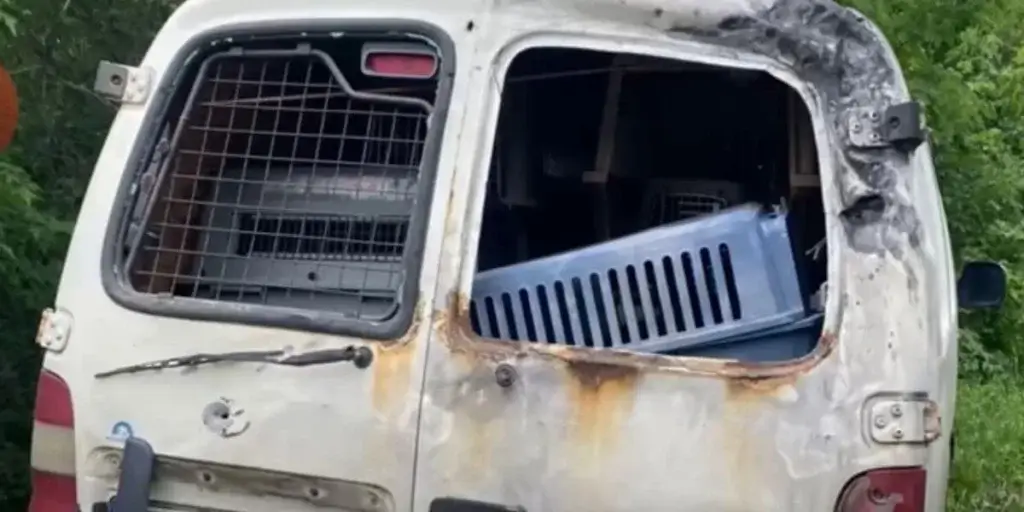
In moments like that, it’s also important to realize that you have to stay clear-headed and find ways to cope. When we go to the front line, for example, it can sometimes be safer to take off your helmet. You have to understand that drones are looking for military personnel. They specifically target people wearing a helmet or body armor. In some areas, it’s therefore safer for us if we wear less protective gear. Many people don’t understand that, but if you understand the situation and act logically, you’re safer.
What condition are most of the animals in?
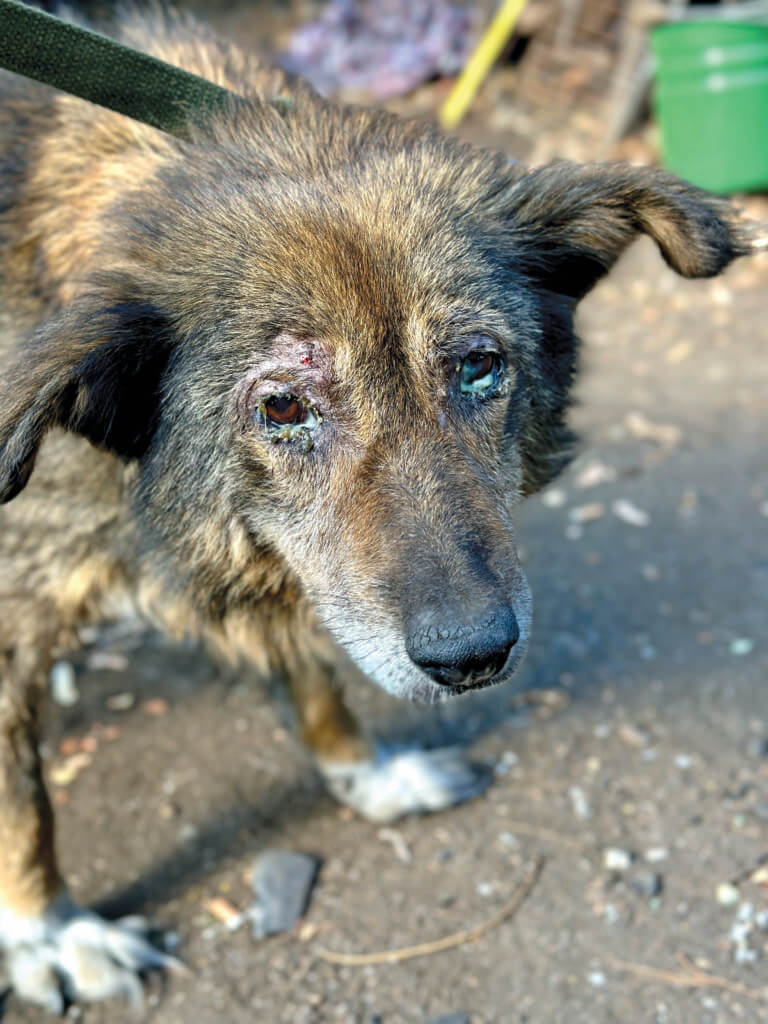
Simone: Very sick. We’re seeing that the animals are getting sicker and sicker. They have many more illnesses, and they’re also extremely thin. And there are simply countless animals. The longer the war goes on, the unbelievably greater the number of animals who are also reproducing—and bringing more diseases with them.
Have there been moments in recent months that you like to look back on? Is there a rescue story that has especially stayed with you?
Simone: Yes—this wasn’t that long ago. I was out with Ruslan, also a member of our team. We went to Rajske, and the situation there had changed dramatically in just a few weeks. It became more and more dangerous. We were searching for a cat in a completely destroyed house. It was really nothing but rubble, and I didn’t know whether the animal was still even there.
It was a very dangerous situation because there were drones everywhere. Then we saw the cat, severely emaciated. She was lying on the veranda waiting for her guardians. She had no water, no food. But she was there, truly waiting for her guardians to come back. That really hurt my heart. Ruslan and I knew this cat had to get out of there. But she was afraid of us and hid in the ruins. We had to somehow get her out of the debris, and we were there for a good half hour, even as the danger kept growing. We knew it was the only chance because the next day the cat would probably have already died. She was so dehydrated, so thin …
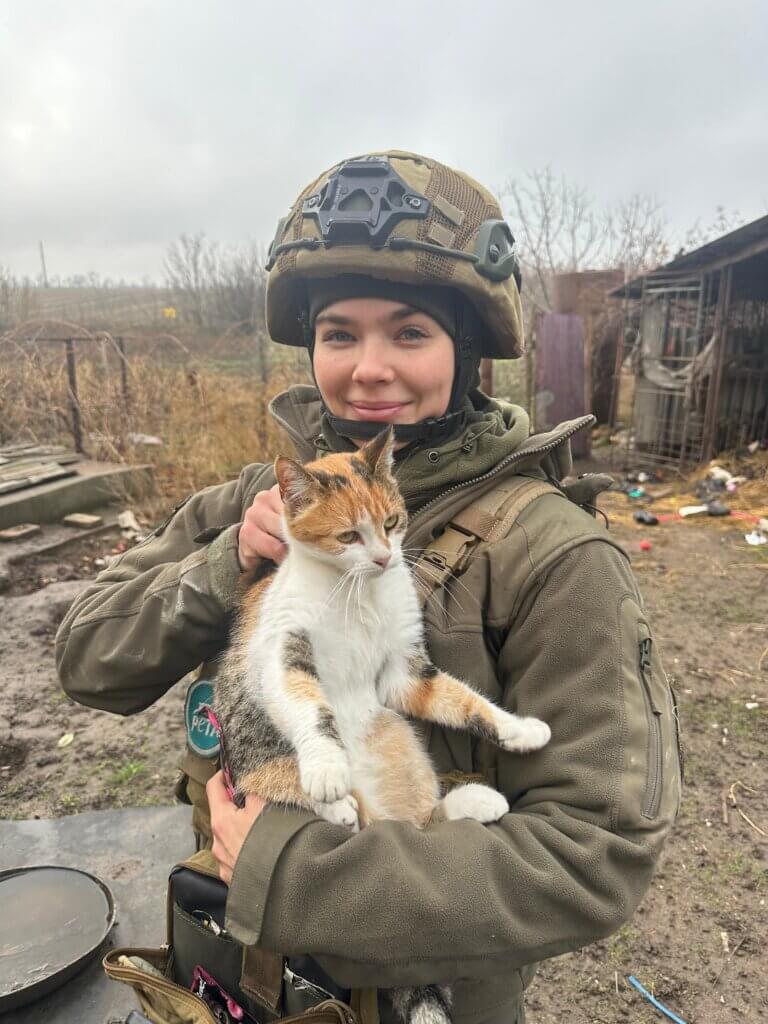
With a lot of patience, we finally managed it.
Those are the moments that truly confirm for you that we can achieve anything with the help of donors and PETA. With the help of people who actively step up to change animals’ lives. It’s not about somehow changing the whole world; it’s about each individual being, who also has a right to live, and we can actively change that life for the better.
And that brings you back to the question of how you deal with the situation on the front line. How can you live with this danger? This is exactly one of those key moments that shows why people are still doing this work.
Is there anything else you’d like to say in closing to the people who support us?
Simone: Without the supporters, this work wouldn’t be possible at all. Truly, it’s incredible what outside help can accomplish.
From PETA, from supporters and donors, you can see that help from outside is just as important as help on the ground. It’s a group effort, and everyone has a place in it.
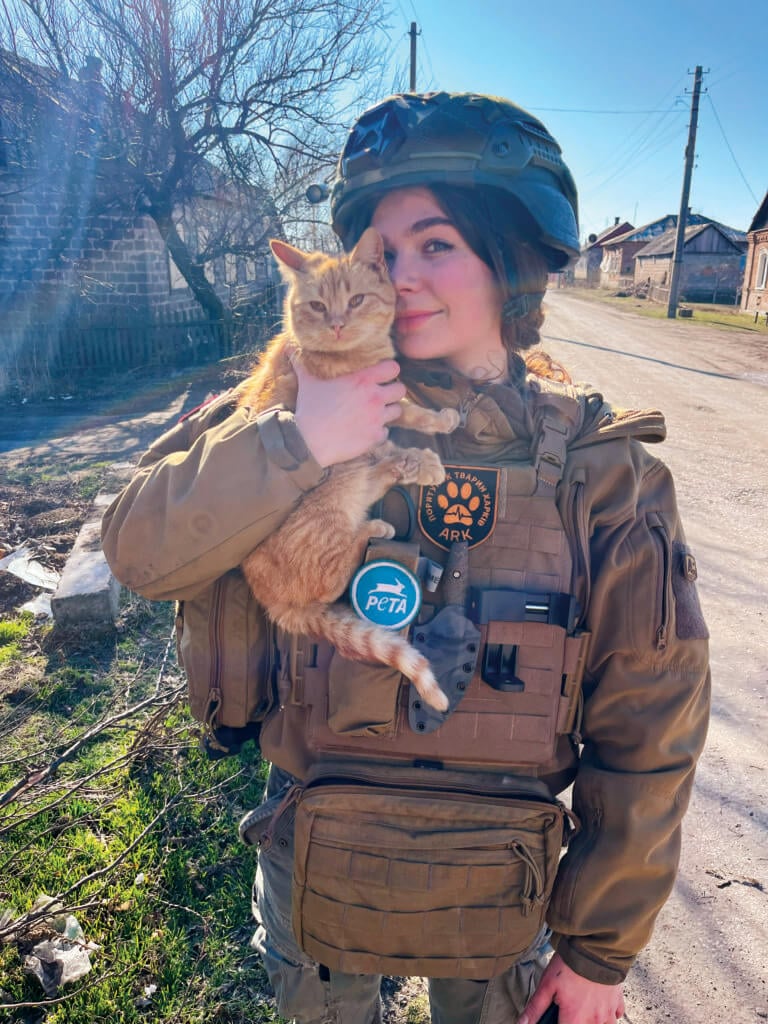
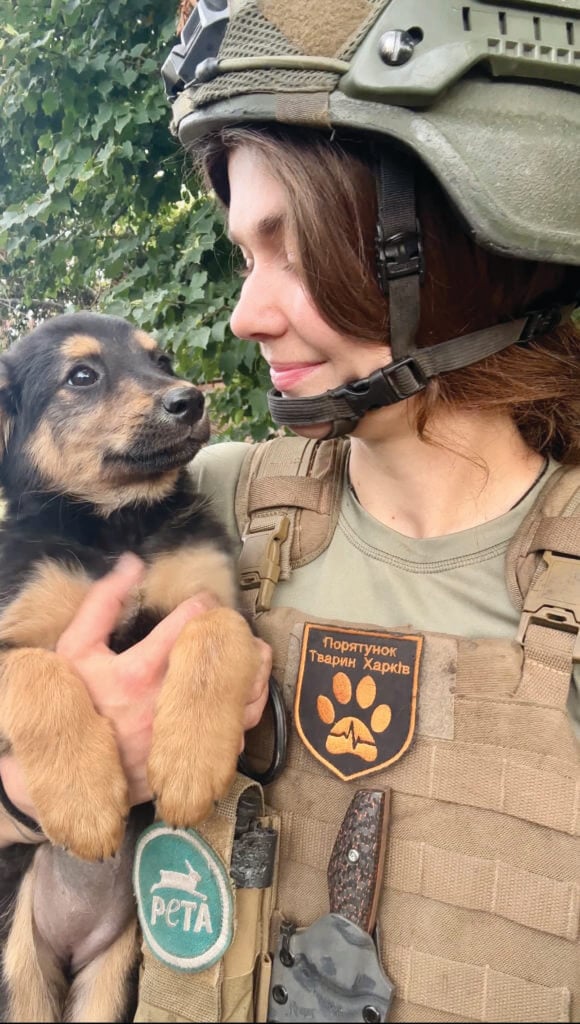
PETA’s help is essential for survival. The rescues are only one part, but then the animals have to be cared for and placed in homes. We’re so grateful that so many supporters are out there and truly believe in the work. For that: a huge thank-you.
We at PETA thank Simone, Animal Rescue Kharkiv, and all the people who risk their lives to rescue animals in need, as well as all supporters—without whom this vital work would not be possible.
Donate Now!
PETA’s Global Compassion Fund is supported exclusively by the contributions of kind individuals like you. Your gift is helping PETA entities and partners create positive, sustainable change in corners of the Earth where animals desperately need assistance—and may have no other hope.